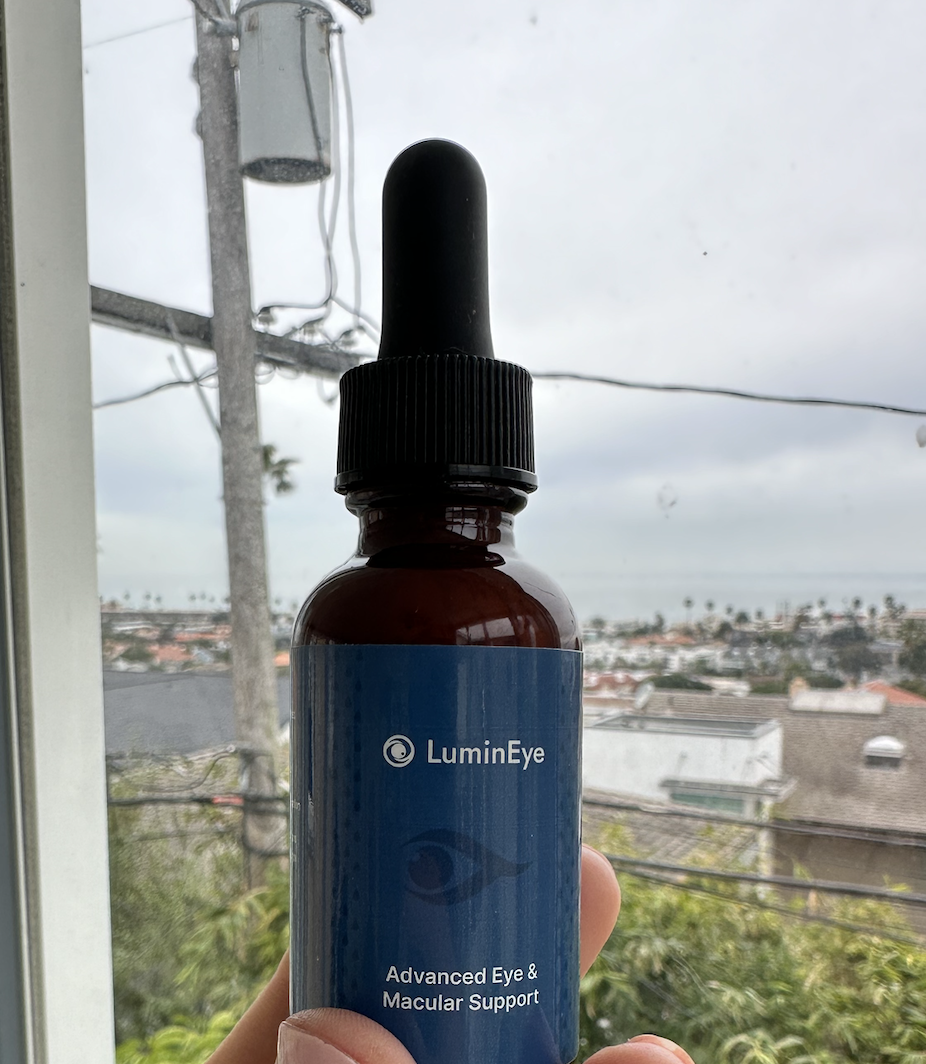
Eye & Macular Nano-Drop
Introducing Total Eye Wellness
Direct Under-the-Tongue Formula
In LIQUID Form
Up to 98% absorption
A supportive way that may help nourish, detoxify, and promote eye comfort.
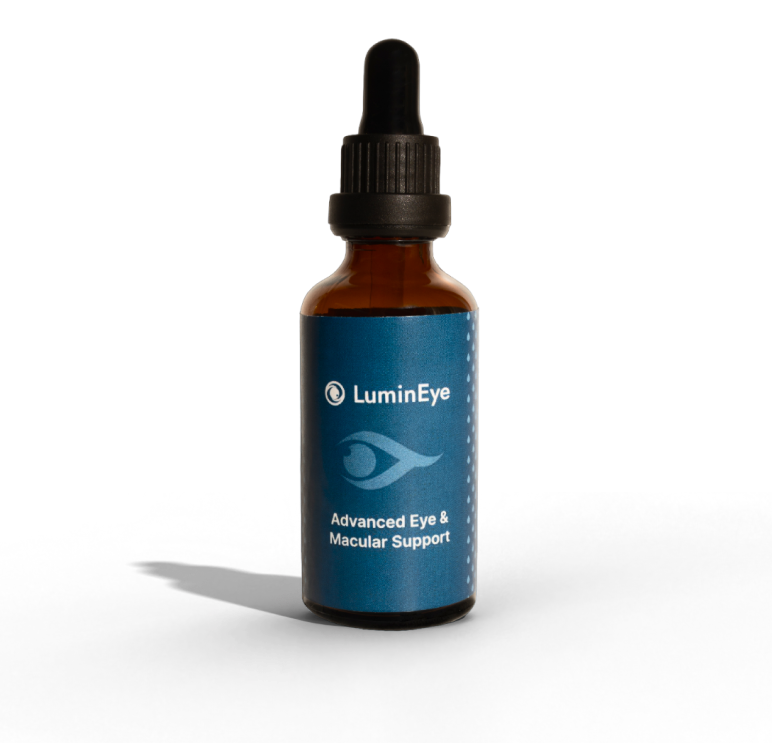
May boost the body’s self-repair functions

Crafted in the USA

Free Delivery

90-Day Money Back Guarantee
May boost the body’s self-repair functions
The Underlying Issue
At any age, inadequate cell nourishment and prolonged exposure to blue light can weaken and damage cells in the eyes. Whether the source is mobile devices, sunlight, or nutritional deficiencies, the vitreous gel within the eyes may lose structure and begin to liquefy.
When this occurs, cellular debris drifts through the eyes, commonly referred to as “floaters.” Such debris can harm adjacent cells, potentially causing inflammation that may lead to oxidative stress. Over time, this process can gradually influence overall vision.
This combination of subpar nutrition, cellular debris, and oxidative stress may contribute to various ocular concerns—such as vision decline, obstructed drainage, dryness, retinal issues, and significant vision impairment.
A GROWING CRISIS

Dry Eyes
Over 33 million Americans suffer from dry eyes on a daily basis.

Floaters
Over 23 million Americans report floaters that may harm ocular cells.

Vision Problems
More than 100 million Americans encounter some form of vision impairment.
UNIQUE ADVANTAGES NOT COMMONLY FOUND ELSEWHERE
- Hyper-concentrated liquid nano-drop (no need for pills)
- 100% natural (no synthetics, additives, or colorings)
- Placed underneath the tongue (avoids the digestive system)
HIGHLY EFFECTIVE & OPTIMIZED FOR EFFICIENCY
Liquid with nano-sized particles may cross the sublingual membrane quickly, helping preserve the purity of the 24 ingredients. This can promote improved absorption and bioavailability.
Your Choices
Classic Approach, Not Always Fully Efficient
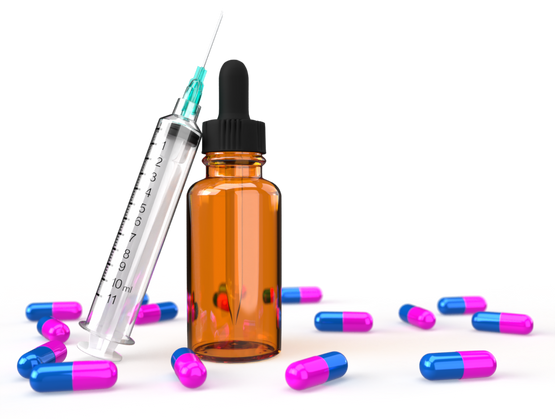
A more traditional option that can break down in the digestive system and liver, potentially limiting nutrient absorption to around 15–30%.
Revolutionary Nano-Concentrated & Sublingual
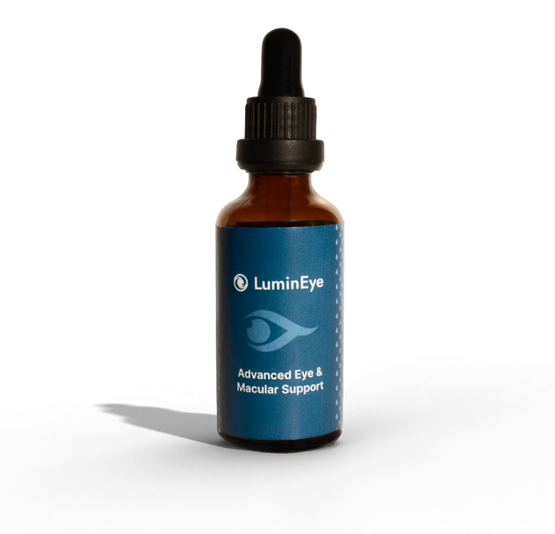
A nano-concentrated liquid, applied under the tongue, may rapidly and conveniently enter the bloodstream, bypassing the digestive system and liver.

A Full-Spectrum Solution

Cellular Rejuvenation & Nourishment
May boost and support cells and tissues in the eyes at various stages.

Cellular Cleansing & Detoxification
May help cleanse the eyes of accumulated cellular debris.

Cellular Bio-Absorption
Nano-sized particles may easily pass through cell membranes for quicker action.
THE SCIENCE OF SELF-REPAIR
MORE THAN JUST A SOLUTION: A PARTNER IN EYE WELLNESS
Choosing LuminEye is an investment in eye care. The goal goes beyond one product, offering broader resources, guidance, and support for optimal ocular well-being.


+18 NATURALLY-SOURCED INGREDIENTS EACH BACKED BY CLINICAL RESEARCH


Tap on the picture to access its linked clinical study!

ZEAXANTHIN
A carotenoid with antioxidant properties that may support overall eye health, help maintain visual clarity, and protect delicate eye structures from oxidative stress.

ASTAXANTHIN
A potent antioxidant that may support comfortable vision, ease occasional fatigue, and promote healthy circulation within ocular tissues, contributing to overall visual function.

LUTEIN
A carotenoid that may defend the eyes against oxidative stress, maintaining clarity, enhancing sharpness, and aiding adaptation to changing light conditions.

VITAMIN A
One of the potential benefits of vitamin A is supporting healthy vision function and addressing age-related central vision concerns. It may also assist the immune system and help soothe occasional eye discomfort, promoting overall eye wellness.
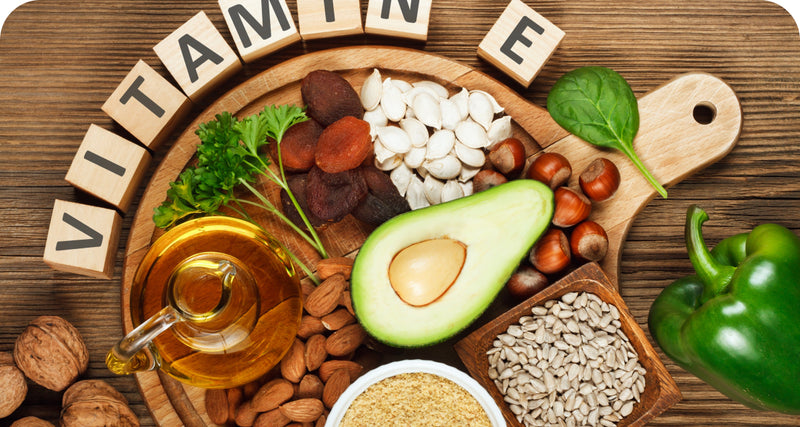
VITAMIN E(D-Alpha)
A natural antioxidant that may help protect delicate eye cells from oxidative damage, supporting overall wellness and function of the eyes.

VITAMIN C
Plays a crucial role in forming collagen, providing structural support for ocular tissues. Helps maintain visual function and promotes eye wellness.

ZINC CITRATE
Supports the health of the retina, cell membranes, and protein structures in the eye. Zinc helps vitamin A travel from the liver to the retina to produce melanin, which may protect the eyes from stress caused by UV blue light.

N-ACETYLCYSTEINE
NAC stimulates glutathione production, reducing oxidative stress in retinal cells. It supports the health of retinal ganglion cells and optic nerves, promoting overall eye function.

RESVERATROL
Promotes healthy eye microcirculation and visual performance. Its antioxidant and mild anti-inflammatory properties may help protect against visual decline and maintain eye vitality.


LuminEye Nano-Drop
12,195 Reviews
223 people are currently looking at this
Available Inventory: Low

Choose a payment option:
Pay in full
$79
One-time payment with
Pay today only
$19.75
Monthly interest-free payments with

90-Day Complete Money Back Guarantee

All Orders Include Free Shipping

Proudly Made in the USA
"I can see better while driving in the dark and no longer need my glasses for driving. I’ve noticed an improvement in reading—no more blurriness. The cloudiness seem to be disappearing."
- Sara Bennett - USA 🇺🇸
Antioxidants for Vision Support
Antioxidants are often considered a first-line approach for protecting against age-related challenges affecting vision. LuminEye contains several potent antioxidants that studies suggest may be helpful in addressing vision concerns over time and in supporting eye wellness.
Zeaxanthin
Zeaxanthin is recognized for its potential to support overall eye wellness and enhance visual clarity, especially in situations of low light or glare. It is found in the macular region of the retina, where it can help filter blue light and neutralize oxidative stress.
-
Potential Benefits
- Support for Central Vision: Zeaxanthin, along with lutein, is concentrated in the part of the retina associated with central vision. Its antioxidant properties may help protect delicate eye tissues from harmful light and oxidative stress, thus supporting age-related central vision.
- Visual Performance: Some studies indicate that zeaxanthin may aid in contrast sensitivity and reduce glare.
- Reduced Eye Strain: By filtering blue light from digital screens, zeaxanthin could contribute to less fatigue for individuals who spend long hours on electronic devices.
Research suggests a relationship between higher dietary or serum levels of zeaxanthin and lutein and a lower risk of advanced stages of age-related central vision decline. Additionally, zeaxanthin may help protect against oxidative stress and systemic inflammation.
Astaxanthin
Sometimes referred to as the “king of carotenoids,” astaxanthin is a naturally occurring compound believed to be one of the more potent antioxidants.
-
Potential Benefits
- Sharper Vision: May help enhance the eye’s ability to focus and see fine details more clearly.
- Detox Support: Research suggests astaxanthin can help trigger natural defense proteins that support other antioxidant compounds.
- Reduced Eye Discomfort: Noted for anti-inflammatory properties that may help soothe occasional irritation or fatigue, such as from prolonged screen usage.
- Retinal Wellness: May contribute to microcirculation and support overall retinal function.
Studies indicate that astaxanthin intake could be beneficial for managing vision strain and supporting eye wellness, including for those experiencing early signs of central vision decline.
Lutein
Lutein, another well-known carotenoid, often appears alongside zeaxanthin in the retina.
-
Potential Benefits
- Age-Related Central Vision Support: Research suggests lutein may help filter harmful blue light, reducing oxidative stress in the retina and aiding those concerned about age-related central vision changes.
- Increased Macular Pigment: Lutein supplementation may raise macular pigment levels, potentially enhancing protection against high-energy light and supporting visual performance.
- Improved Contrast and Glare Sensitivity: Some clinical trials point to lutein’s positive role in contrast sensitivity and glare recovery, resulting in clearer vision under varying lighting conditions.
A 16-week study showed that 12 mg of lutein daily could support macular health, improve contrast sensitivity, and reduce glare.
Study on Lutein Supplementation
Vitamin A
Vitamin A is sometimes called the “light switch” for vision due to its role in low-light or night vision.
-
Potential Benefits
- Low-Light Visibility: Helps in producing rhodopsin, a pigment that assists in darker settings.
- Moisture and Comfort: May help maintain a healthy, hydrated cornea, reducing dryness or irritation.
- Natural Defense: Contributes to immune function, assisting in the eye’s ability to protect itself from common irritations.
Vitamin E (D-Alpha)
A potent antioxidant that may help neutralize free radicals in the eyes.
-
Potential Benefits
- Oxidative Stress Support: Could help reduce oxidative damage, which is often linked to cloudy vision or age-related central vision decline.
- Retinal Health: May support the retina’s cell structure over time.
- Immune Function: A balanced immune response is essential for eye comfort and may be supported by Vitamin E intake.
Vitamin C (Camu Camu)
Another key antioxidant, Vitamin C is well-known for its role in collagen synthesis.
-
Potential Benefits
- Collagen Formation: Collagen is a major structural component in the eye. By helping maintain collagen levels, Vitamin C may support overall corneal and scleral strength.
- Cloudy Vision Concerns: Higher Vitamin C intake has been associated with slower progression of cloudy lens issues.
- Additional Antioxidant Defense: Works synergistically with other antioxidants to reduce stress on eye tissues.
Chelated Zinc
Chelated zinc is a form that may be more readily absorbed by the body.
-
Potential Benefits
- Enzymatic Support: Helps in the function of enzymes crucial for eye health.
- Transport of Vitamin A: Zinc assists in moving Vitamin A from the liver to the retina.
- Immune Support: By contributing to immune function, zinc may help reduce inflammation in ocular tissues.
Chelated Copper
Copper is another mineral that can be more easily utilized by the body in chelated form.
-
Potential Benefits
- Antioxidant Role: Copper supports enzymes like superoxide dismutase (SOD), potentially reducing oxidative stress.
- Connective Tissue Maintenance: May play a role in forming and preserving collagen in the cornea and sclera.
- Better Iron Utilization: Helps convert iron into a usable form, assisting blood vessel function that can benefit ocular circulation.
Bladderwrack
A form of seaweed traditionally valued for its nutritional content, including iodine and beta-carotene.
-
Potential Benefits
- Beta-Carotene Source: Beta-carotene may convert to Vitamin A, contributing to eye health.
- Antioxidant Properties: Compounds such as fucoxanthin may help protect against oxidative stress.
- Thyroid and Metabolic Support: Iodine may help balance thyroid function, which can indirectly benefit ocular well-being.
Grape Seed Extract
Grape seed extract contains oligomeric proanthocyanidins (OPCs), known for strong antioxidant properties.
-
Potential Benefits
- Oxidative Stress Defense: May help shield the lens and retina from free-radical damage.
- Anti-Inflammatory Effects: Could help mitigate inflammation linked to vision concerns.
- Circulatory Support: Studies suggest it may improve blood flow to ocular tissues, delivering essential nutrients.
Blueberries
Rich in anthocyanins, Vitamin C, and Vitamin E, blueberries often appear in discussions around vision support.
-
Potential Benefits
- Antioxidant Activity: May offer a line of defense against oxidative stress in the eyes.
- Reduced Fatigue: Some evidence points to decreased eye strain and inflammation.
- General Maintenance: Consumption of flavonoid-rich berries has been associated with supporting healthy vision over time.
Study on Blueberries & Eye Health
Bilberry
Bilberry is closely related to blueberries and is traditionally recognized for possible benefits in easing eye fatigue.
-
Potential Benefits
- Eye Comfort: Some trials suggest it may help with dryness and heaviness.
- Visual Clarity: Extracts containing bilberry anthocyanins have been explored for supporting clarity in certain populations.
- Oxidative Stress: Bilberry’s flavonoids may help protect the retina and lens from protein build-up that can cloud vision.
Certain studies hint at potential support for those concerned about vision pressure issues or mild cloudy lens symptoms.
Curcumin (Turmeric)
Curcumin, the main active compound in turmeric, has antioxidant and anti-inflammatory properties.
-
Potential Benefits
- Oxidative Stress Reduction: May help neutralize free radicals in ocular tissues.
- Cellular Defense: Curcumin may aid Vitamin C levels and support ocular cell function, potentially helpful for those worried about persistent inflammation.
- Moisture Support: Some data indicate it could help maintain comfortable moisture levels in the eye.
Ginkgo Biloba
Ginkgo biloba is widely studied for its antioxidant flavonoids and terpenoids.
-
Potential Benefits
- Improved Circulation: May enhance blood flow to the optic nerve and retina.
- Reduced Oxidative Damage: Its compounds could help protect delicate eye structures.
- Eye Comfort: Some evidence suggests Ginkgo biloba extract may assist with dryness and mild pressure concerns.
Moringa
Moringa leaves contain various vitamins, minerals, and antioxidants.
-
Potential Benefits
- Antioxidant Content: Helps protect against oxidative stress that can affect eye tissues.
- Nutrient Rich: Supplies vitamins A and C, among others, that may support ocular health.
- Anti-Inflammatory Properties: Could help soothe mild eye irritation or dryness.
Shilajit
Shilajit features fulvic acid and dibenzo-alpha-pyrones, which are known for antioxidant properties.
-
Potential Benefits
- Improved Ocular Blood Flow: May enhance circulation, supporting the delivery of nutrients and oxygen.
- Reduced Oxidative Stress: Antioxidants in shilajit could help neutralize harmful free radicals.
- Inflammation Support: May help lessen occasional eye inflammation.
Eyebright
Eyebright (Euphrasia officinalis) has historically been used in herbal practices for mild eye discomfort.
-
Potential Benefits
- Antioxidant Activity: May help the eyes absorb vitamins A and C more efficiently.
- Soothing Properties: Traditionally used to calm occasional redness or dryness.
- Phytonutrient Support: Contains compounds (like aucubin) known for mild anti-inflammatory effects.
Saffron
Saffron comes from the Crocus sativus flower and is often noted for both culinary and health-oriented properties.
-
Potential Benefits
- Neuroprotective Effects: May help protect nerve cells within the eyes, including those in the retina.
- Improved Contrast Sensitivity: Some research points to saffron’s ability to help distinguish shades and patterns.
- Age-Related Vision Concerns: Short-term saffron intake in certain studies has been linked to slowing aspects of age-related central vision decline.
Important Note
All references to research and scientific studies here are for informational purposes. These ingredients may provide supportive benefits for ocular wellness, but individual results can vary significantly depending on a person’s unique health profile and lifestyle. This information is not intended to diagnose, treat, cure, or prevent any disease. Consult a qualified healthcare professional before making decisions related to personal health or using any supplements, especially if there are pre-existing medical conditions or ongoing treatments involved.
USAGE DIRECTIONS
RECOMMENDED DAILY INTAKE:
For desired results, take 1 ml (about one full dropper) in the morning before breakfast and another 1 ml at night before bedtime.
Consistent use for at least 3 months (90 days) is suggested to achieve the best potential outcome.
TO ACHIEVE OPTIMAL RESULTS
This nano-formula is intended for daily use over 90 days to saturate cells and tissues in the eyes. Eye health varies, so 90 days could be sufficient for those at earlier stages. However, individuals in more advanced stages may consider an additional 90-day cycle to address ongoing inflammation and the accumulation of cellular debris, which may contribute to oxidative stress.
AFTER THE INITIAL 90 DAYS
After 90 days of supplying the eyes with nutrients, carotenoids, anthocyanins, antioxidants, trace minerals, and vitamins, visiting an eye doctor is recommended. Not all progress can be observed directly, but an eye specialist—familiar with individual circumstances—has tools to identify and measure improvement at the cellular level. Another 90-day cycle could be considered to reach a desired goal or maintain improved ocular wellness each year.
What Should You Expect? How Long Does It Take?
Years of toxic buildup, limited ocular blood flow, and nutritional gaps can contribute to age-related vision decline. Maintaining consistency and commitment may help counter oxidative stress in the eyes.
The degree and stage of age-related vision decline vary from individual to individual, so results may differ as well. Allow adequate time for the eyes to support natural cleansing and repair.
Once this potent, ultra-concentrated liquid is placed under the tongue and reaches the bloodstream, it may begin to support noticeable improvements in ocular wellness.

90-Day Money Back Guarantee
Free Shipping